



Building a custom home gives homeowners something that buying an existing property often cannot: complete freedom to design a space that perfectly suits their lifestyle. Instead of adapting to someone else's floor plan, a custom home design allows every room, feature, and finish to reflect personal preferences while preparing the property for the future.
Across the UK and Europe, homeowners are increasingly moving away from traditional layouts in favour of homes that combine comfort, sustainability, and smart technology. Modern houses are no longer judged only by their appearance. Energy efficiency, flexible living spaces, natural light, and environmentally responsible materials have become equally important.
According to the European Commission, buildings account for approximately 40% of energy consumption and 36% of greenhouse gas emissions in the European Union, making sustainable construction a major priority. As a result, architects, developers, and homeowners are embracing modern building practices that reduce environmental impact while improving long-term living comfort.
Whether you are planning your first self-build project or designing your forever home, understanding today's modern home design trends can help you make better decisions throughout the planning process.
In this guide, we'll explore the biggest design trends shaping custom builds in 2026 while highlighting the trusted UK and European brands helping homeowners create beautiful, efficient, and future-ready homes.
Demand for custom home builds has grown steadily across Europe over the last few years. Instead of compromising on layout, energy performance, or interior finishes, many homeowners now prefer creating a property tailored to their own needs.
Several factors are driving this trend.
Every family lives differently. Some prioritise open entertaining spaces, while others need dedicated home offices, larger kitchens, or multi-generational living areas. A custom build allows homeowners to design spaces around their lifestyle instead of adapting to an existing property.
New homes can incorporate the latest insulation systems, renewable energy technologies, and high-performance glazing from the very beginning. This reduces energy bills while improving comfort throughout the year.
Although building a custom home often requires greater upfront planning, many buyers see it as a long-term investment. High-quality construction, durable materials, and efficient systems can reduce maintenance costs while increasing property value.
Modern homes are increasingly designed around connected technology. Planning these systems during construction is far easier than retrofitting them later, allowing homeowners to enjoy greater convenience, security, and energy management from day one.
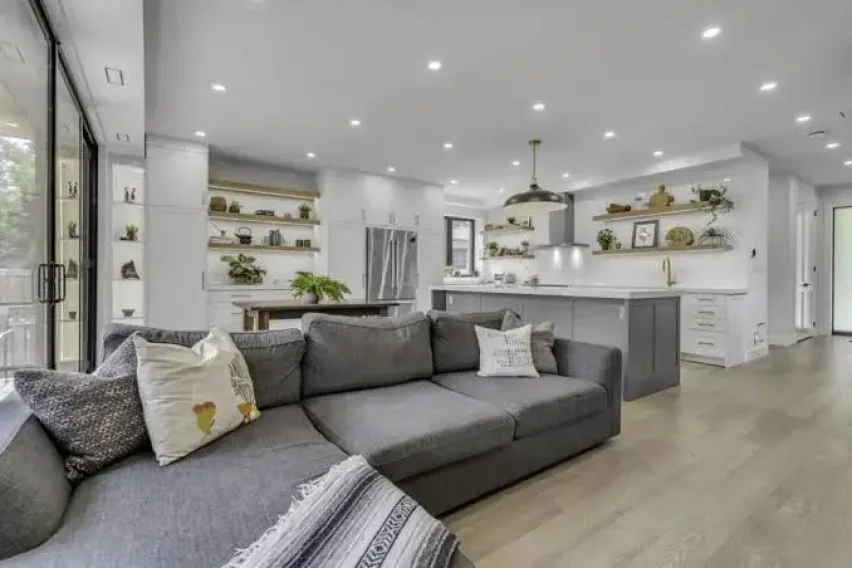
One of the strongest modern house design ideas remains the open-plan layout. Instead of dividing the home into multiple small rooms, homeowners increasingly prefer large, connected living areas that maximise natural light and encourage interaction. Open-plan spaces typically combine:
This layout creates a greater sense of space while allowing natural light to flow throughout the property. Large sliding or bi-fold glass doors have become especially popular because they blur the boundary between indoor and outdoor living. During warmer months, gardens effectively become an extension of the home. Architects across the UK and Europe continue refining open-plan concepts by incorporating flexible zones that can easily adapt as families' needs change over time.
Sustainability has become one of the biggest influences on modern home design trends. Today's homeowners are looking beyond aesthetics. They want homes that reduce energy consumption, minimise environmental impact, and remain efficient for decades. Several features now appear in many sustainable home design projects.
Better insulation reduces heating requirements during winter while keeping homes cooler during summer. Improved thermal performance lowers energy costs while creating a more comfortable indoor environment.
Large windows remain popular, but energy performance is equally important. Triple glazing helps reduce heat loss, improve sound insulation, and increase overall efficiency without sacrificing natural light.
Many new custom homes now include solar panels, battery storage, heat pumps, and smart energy monitoring. These technologies reduce dependence on traditional energy sources while lowering household running costs.
Homeowners are increasingly choosing environmentally responsible materials such as FSC-certified timber, recycled steel, natural stone, bamboo flooring, recycled insulation, and low-VOC paints. These materials help reduce the environmental footprint of new construction while maintaining excellent durability.
A few years ago, smart home systems were considered luxury upgrades. Today, they are becoming standard features in many custom home builds. Modern homeowners increasingly expect technology that improves both convenience and efficiency. Popular smart home features include:
Lighting systems automatically adjust brightness based on occupancy, natural daylight, or personalised schedules. Homeowners can also control lighting remotely through smartphone apps.
Connected thermostats learn household routines and optimise heating automatically. This improves comfort while helping reduce energy consumption.
Modern security systems now combine smart cameras, motion sensors, video doorbells, remote monitoring and mobile alerts. These technologies provide greater peace of mind whether homeowners are inside the property or travelling abroad.
Many connected homes now allow residents to control lighting, heating, entertainment, blinds, and appliances using simple voice commands or mobile applications. Integrating these systems during construction creates a cleaner installation while avoiding costly modifications later.
Few design elements have a greater impact than natural light. Bright interiors not only improve the appearance of a home but also contribute to wellbeing, productivity, and overall comfort. Modern architects maximise daylight through features such as:
Large windows also strengthen the connection between indoor and outdoor spaces, making gardens feel like part of the home's living area. In northern European climates where winter daylight is limited, careful window placement has become an essential part of good architectural design.
Lifestyle changes have significantly influenced custom home design over recent years. Rather than designing rooms for just one function, homeowners increasingly want adaptable spaces that can evolve over time. Examples include home offices that convert into guest bedrooms, playrooms that become study spaces, fitness rooms that double as hobby areas, dining rooms with movable partitions, and multi-functional utility spaces.
Flexible layouts allow homes to adapt to changing family needs without requiring expensive renovations in the future. This approach also improves long-term property value by making homes attractive to a wider range of buyers.
Minimalism remains one of the strongest influences in contemporary home design. However, today's minimalist homes feel much warmer than earlier versions. Instead of cold white interiors, designers now combine clean architectural lines with natural textures and soft colours. Popular interior choices include:
The goal isn't simply to remove clutter but to create calm, functional spaces that feel comfortable every day. Built-in storage also plays a major role by helping homeowners keep living areas organised without sacrificing style.
The latest modern home design trends are not driven by architects alone. Many of Europe's most respected manufacturers are developing products that make homes more energy-efficient, comfortable, and visually appealing. From high-performance windows to smart home systems, these brands continue to shape the future of custom home builds.
Natural light has become one of the defining features of modern homes, and VELUX remains one of Europe's leading innovators in roof windows and skylights. Its products help maximise daylight while improving ventilation and indoor air quality. Many architects incorporate VELUX roof windows into loft conversions and custom homes to create brighter, healthier living spaces while reducing reliance on artificial lighting.
Large glass façades have become a signature feature of contemporary home design, and Schüco continues to lead the market with premium aluminium window, door, and façade systems. Their energy-efficient glazing solutions improve insulation without compromising natural light, making them a popular choice for modern custom builds across Europe.
Known for high-performance windows and entrance doors, Internorm focuses on energy efficiency, security, and acoustic insulation. Triple-glazed windows from Internorm help homeowners reduce heat loss while creating quieter, more comfortable interiors.
Minimalist architecture often depends on slim-profile doors and expansive glazing. Reynaers Aluminium specialises in elegant aluminium systems that combine modern aesthetics with excellent thermal performance. Their sliding doors and curtain wall systems are widely used in luxury residential projects throughout Europe.
A beautiful home should also be comfortable throughout every season. ROCKWOOL produces advanced stone wool insulation that improves energy efficiency, reduces outside noise, and enhances fire safety. Better insulation not only lowers heating bills but also creates a more comfortable indoor environment all year round.
Bathrooms have become wellness spaces rather than purely functional rooms. Hansgrohe develops premium taps, showers, and water-saving bathroom solutions that combine modern design with sustainability. Their innovative technology helps reduce water consumption without sacrificing performance.
For homeowners seeking timeless interiors, Villeroy & Boch offers elegant bathroom ceramics, premium kitchen products, and sophisticated design collections. Their focus on craftsmanship and durability makes them a popular choice for high-quality custom homes.
Modern bathrooms increasingly prioritise simplicity, functionality, and comfort. Duravit produces contemporary sanitaryware and bathroom furniture that combines clean design with innovative technology, helping create stylish yet practical living spaces.
Smart kitchens have become central to modern home design. Bosch continues to develop connected appliances that improve convenience while reducing energy consumption. Intelligent ovens, dishwashers, refrigerators, and washing machines allow homeowners to manage household tasks more efficiently through connected technology.
Innovation and intelligent automation remain key priorities for Siemens Home Appliances. Their premium kitchen appliances feature advanced connectivity, energy-saving technologies, and sleek minimalist styling that complements modern interior design.
As smart homes become increasingly common, electrical infrastructure plays a larger role than ever before. Legrand develops intelligent lighting controls, smart switches, charging solutions, and connected home systems that improve comfort, security, and energy management.
Energy management has become a major priority in modern custom builds. Schneider Electric provides integrated smart home systems that monitor electricity usage, optimise efficiency, and help homeowners reduce their environmental footprint.
The kitchen has become one of the most important spaces in every modern home. Hacker Kitchens designs premium fitted kitchens that combine functionality with elegant European craftsmanship. Their modular layouts maximise storage while maintaining clean, contemporary aesthetics.
Together, these UK and European manufacturers demonstrate how innovation, sustainability, and thoughtful design continue shaping the future of modern homes.
The kitchen has evolved far beyond being a place to prepare meals. It has become the social centre of the home where families gather, guests are entertained, and everyday life happens. As a result, modern kitchen design continues to be one of the biggest priorities in custom home projects.
Kitchen islands remain one of the most requested features in modern homes. They provide additional workspace, informal dining, hidden storage, and a natural gathering place for family and friends. Many homeowners now choose oversized islands with integrated induction hobs, sinks, charging stations, or breakfast seating.
Minimalist kitchens rely heavily on concealed storage to maintain clean lines and uncluttered worktops. Popular solutions include walk-in pantries, integrated appliances, pull-out storage units, hidden recycling systems, and floor-to-ceiling cabinetry. These features improve organisation while maintaining a sleek appearance.
Warm natural materials continue replacing glossy finishes. Popular choices include oak cabinetry, stone worktops, quartz surfaces, timber shelving, and textured splashbacks. These materials create kitchens that feel welcoming while remaining durable enough for everyday use.
Connected appliances are becoming standard in many custom home builds. Features now include:
These technologies save time while making daily routines more convenient.
Bathrooms are increasingly designed as private retreats rather than purely functional spaces. Today's modern bathroom ideas focus on relaxation, simplicity, and sustainability. Popular features include:
Natural stone, wood textures, and neutral colours continue creating calming spa-inspired environments that encourage relaxation after a busy day. Water-saving taps, dual-flush toilets, and efficient shower systems also help homeowners reduce water consumption without compromising comfort.
One of the fastest-growing modern home design trends is creating stronger connections between indoor and outdoor living. Rather than treating gardens separately, architects now design homes where outdoor spaces function as additional living areas.
Popular features include covered patios, outdoor kitchens, fire pits, built-in seating, pergolas, landscaped gardens, and outdoor dining spaces. Large sliding glass doors help create a seamless transition between interior and exterior spaces, making homes feel larger while encouraging outdoor living throughout the warmer months. These features also increase property value while improving everyday enjoyment of the home.
Energy efficiency has become one of the most valuable investments homeowners can make. Modern custom home design increasingly focuses on reducing long-term energy costs while improving indoor comfort. Key features include the following: heat pumps, solar panels, battery storage systems, mechanical ventilation with heat recovery (MVHR), smart energy management, high-performance insulation, and airtight construction.
According to the European Commission, improving building efficiency remains one of Europe's most effective ways to reduce carbon emissions while lowering household energy bills. For homeowners, investing in energy-efficient technologies today often leads to significant savings over the lifetime of the property.
Designing a custom home is an exciting opportunity, but careful planning is essential to ensure the finished property meets your needs for years to come. While every project is different, a few practical decisions made early can save time, money, and unnecessary stress later.
Before choosing finishes or architectural styles, think about how you actually live. Consider questions such as: How many bedrooms do you need now and in the future? Will you work from home regularly? Do you enjoy entertaining guests? Do you need space for children or ageing family members? Would you benefit from flexible multi-purpose rooms? Designing around your lifestyle creates a home that remains practical long after construction is complete.
Adding energy-saving features during construction is usually far more cost-effective than upgrading them later. Focus on high-performance insulation, energy-efficient windows, airtight construction, heat pumps, solar panels, and smart heating controls, as these features reduce energy bills while improving year-round comfort and increasing long-term property value.
It's often worth spending more on elements that are difficult or expensive to replace later. These include windows, roofing materials, flooring, kitchen cabinetry, bathroom fittings, and structural insulation. These high-quality materials typically require less maintenance, last longer, and improve the overall performance of the home.
Technology continues to evolve rapidly. Even if you don't install every smart home feature immediately, it's wise to prepare your home for future upgrades. Consider installing:
Planning ahead avoids costly alterations in the future.
Modern homes should look beautiful, but they also need to function well every day. Choose layouts that maximise storage, allow natural movement between rooms, and provide enough flexibility to adapt as your family's needs change over time. A timeless design usually offers better long-term satisfaction than following short-lived trends.
Some of the biggest modern home design trends include open-plan living, smart home technology, sustainable building materials, energy-efficient construction, large windows, minimalist interiors, flexible living spaces, and seamless indoor-outdoor connections.
A custom home becomes more energy efficient through high-performance insulation, triple-glazed windows, airtight construction, heat pumps, solar panels, battery storage, and smart heating systems that reduce overall energy consumption.
Modern home design is no longer defined by appearance alone. Today's homeowners expect their properties to be efficient, adaptable, and built to support the way they live both now and in the future. From smart home technology and sustainable home design to flexible layouts and energy-efficient construction, the latest modern home design trends reflect a growing focus on comfort, functionality, and environmental responsibility.
At the same time, trusted UK and European manufacturers continue to drive innovation across every part of the home. Whether it's energy-efficient windows, intelligent home automation, premium kitchens, advanced insulation, or water-saving bathroom solutions, these companies are helping homeowners create custom builds that combine exceptional design with outstanding performance.
As construction methods continue to evolve, the most successful custom home builds will be those that balance timeless architecture with future-ready technology. By investing in quality materials, sustainable solutions, and thoughtful planning, homeowners can create beautiful living spaces that remain comfortable, efficient, and valuable for decades to come. Building a custom home is one of life's biggest investments. Understanding today's modern home design trends allows you to make informed decisions, avoid costly compromises, and create a home that truly reflects your lifestyle while embracing the future of residential design.