


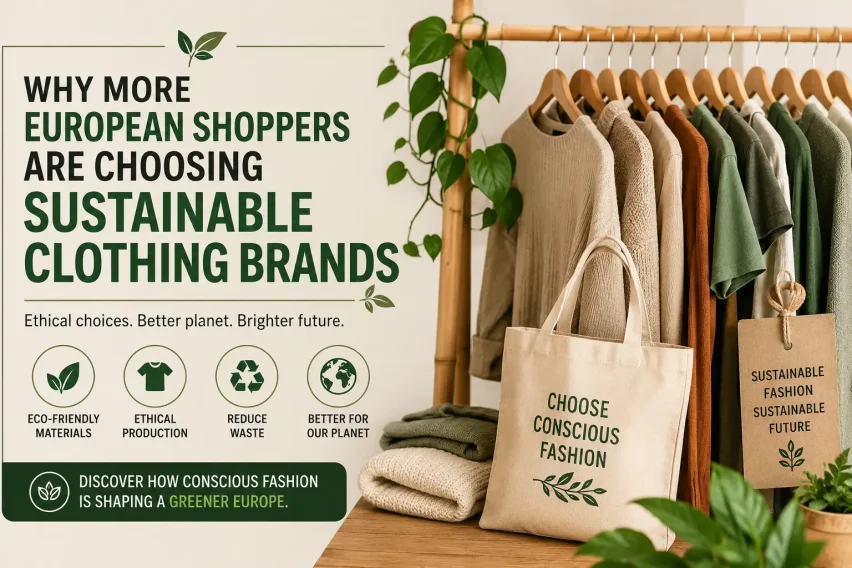
The fashion industry is slowly transforming the continent. The way people shop is evolving; people are no longer buying clothes just based on style or price; they're posing more questions before purchasing an item. They also want to know about the making of clothes, where clothes come from, and the effect of clothes on the environment.
The differences in consumer behaviour are apparent whether you're shopping in Copenhagen, Milan, Paris, or Berlin. Important questions are being asked before buying a garment, and more and more shoppers are asking themselves in what country they are buying their clothes. Who made it? What do I do when I'm done with it? The questions show a greater awareness of sustainability and responsible fashion. As a result, sustainable clothing brands in Europe are gaining in popularity all across Europe. What was once a niche market is now a large trend. Consumers are making conscious decisions to support brands that are not focused on "fast fashion" but rather on "slow fashion," ethical practices, and eco-friendly materials.
So, we'll take a look at the reasons behind the shift toward sustainable fashion by Europeans, the brands helping to drive the change, and how the sustainable fashion landscape could evolve in the future, in 2026 and beyond.
Sustainable fashion is about creating fashion in a manner that benefits people and the planet. It is based on minimizing environmental effects and fair treatment of workers throughout the production process.
Sustainable fashion promotes mindful consumption as opposed to fast fashion, which focuses on producing significant amounts of trendy, affordable clothing. It aims to produce superior clothes that are more durable, less wasteful, and more sustainably used.
There are several important practices of sustainable fashion:
These are no buzzwords; these are concepts. They are evidence of the change in consumer values, as the majority of consumers are expecting that fashion brands have to be transparent, responsible, and environmentally conscious. The trend is growing across Europe, with consumers increasingly looking for good quality, sustainability, and ethical production, not fast fashion.
The growing demand for sustainable clothing in Europe isn't just a passing trend. It reflects a major shift in how people think about fashion, the environment, and social responsibility. Instead of focusing only on price and style, many European shoppers now consider how their clothing is made and the impact it has on people and the planet.
Here are the key reasons behind this change.
One of the major concerns among people in Europe is climate change. With growing consumer awareness of the fashion industry's environmental footprint, they are increasingly conscious about their purchasing habits. Fashion is a major source of global carbon emissions, water pollution, and textile waste. According to widely cited industry estimates, the fashion industry accounts for approximately 8–10% of global carbon emissions, making it one of the world's most environmentally intensive industries. This growing awareness is encouraging European consumers to support brands that actively reduce their environmental footprint. For shoppers, one aspect of their efforts to minimise their environmental impact and contribute to a more sustainable future is the selection of sustainable clothing brands.
Fast fashion has lost much of its appeal as consumers become more aware of its hidden costs. Reports of unsafe working conditions, unfair wages, and excessive textile waste have damaged the reputation of many low-cost fashion brands. Events like the Rana Plaza factory collapse highlighted the human cost behind cheap clothing and encouraged many people to support brands that value ethical manufacturing and worker welfare.
Sustainable apparel is a legal priority for the European Union. Brands are being held accountable for their products from design to disposal, with the EU strategy for sustainable and circular textiles and incoming extended producer responsibility (EPR) rules. These rules and regulations provide an equal opportunity playing field, removing the competitive disadvantage of responsible fashion brands against less responsible competitors.
The younger generation of Europeans is the most value-driven consumer segment in history. Numerous studies have proven that millennials and Gen Z are willing to pay for products aligned with their morals. For these generations, sustainable shopping is not a sacrifice; it's an identity statement.
The landscape of fashion discovery and assessment has been altered by social media platforms such as Instagram and TikTok. Customers are now able to find out more information about the supply chain, how products are made, and claims made to be sustainable. This puts brands under more of a pressure to be transparent. Ethical and sustainable companies are building trust, and companies involved in greenwashing are having a more difficult time keeping up their reputation.
Choosing sustainable fashion isn't just about the clothes that are purchased; it's also about the impact that the fashion industry has on the environment. Each purchase has the potential to save the environment, conserve natural resources, reduce pollution, and support a healthier planet.
Here are some of the biggest environmental benefits of sustainable clothing.
Traditional cotton cultivation requires substantial water resources and is generally dependent on chemical pesticides that may adversely affect the environment. Organic cotton consumes less water and avoids many harmful chemicals, preserving the quality of both soil and local water sources.
Many sustainable clothing brands Europe try to minimise carbon footprints by employing renewable energy, sustainable sourcing, and manufacturing in the area where products will be sold. This helps to minimise transportation emissions, making the overall production process more environmentally friendly due to the shorter supply chains.
Around 92 million tonnes of textile waste are generated worldwide every year, with a large proportion ending up in landfills or incinerators. Sustainable fashion encourages people to buy fewer, higher-quality garments that last longer, helping reduce waste and extend product lifecycles.
Most fabrics are produced in a traditional way, which involves the use of harmful chemicals during the dyeing and finishing stages. These chemicals can pollute rivers and affect the environment. On the other hand, many eco-friendly fashion brands employ more sustainable methods for production, such as safer dyes, cleaner production methods, and internationally recognised certifications like OEKO-TEX and GOTS (Global Organic Textile Standard) to demonstrate their commitment to sustainability.
Industrial cotton farming is linked to habitat loss and pesticide-driven declines in pollinator populations. Organic cotton and regenerative farming practices support healthier ecosystems.
Sustainability isn't only about protecting the environment. It also means that those who make our clothes are treated fairly.
Many ethical clothing brands work on ensuring fair wages and safe working conditions and the respect of workers' rights all the way through the supply chain. Such values are just as important as quality and design to today's European consumers. Third-party certifications like Fair Trade, SA8000, or B Corp help consumers easily spot brands that adhere to recognised social and environmental guidelines. The certifications provide added consumer assurance that a company's sustainability claims are independently assessed.
Another reason shoppers trust sustainable brands is that they are transparent about their actions. There is more openness about where their products are made, who the manufacturing companies are, and the manufacturing standards that more companies are following. Such transparency fosters customer trust and promotes accountability throughout the fashion supply chain, creating a more transparent and accountable supply chain.
There are numerous ethical fashion brands in Europe that are able to prove that style and sustainability are not mutually exclusive. These companies are pioneering in their use of sustainable materials, transparency in their supply chains, and the production of durable and quality garments. The following are some of the best sustainable clothing brands in Europe that are making a positive difference in 2026.
Patagonia has been a global leader in sustainable fashion and environmental activism for over 50 years. The company is recognised for using responsibly sourced and recycled materials while encouraging customers to repair and reuse their clothing through its Worn Wear programme, helping reduce textile waste and extend the lifespan of garments. Patagonia is also a founding member of the 1% for the Planet initiative, committing a portion of its annual sales to environmental causes. Combined with its transparent supply chain and long-standing commitment to ethical business practices, Patagonia remains one of the most trusted sustainable clothing brands available to European shoppers.
Armedangels is one of Europe's leading ethical fashion brands, known for combining contemporary design with responsible manufacturing. As a Certified B Corporation, the company focuses on fair labour practices, transparent supply chains, and environmentally friendly production. Its collections feature sustainable materials such as organic cotton and recycled fibres, making the brand a popular choice for consumers seeking stylish, high-quality clothing with a lower environmental impact.
Thought Clothing is recognised for creating timeless, everyday fashion using sustainable materials including organic cotton, bamboo, hemp, and responsibly sourced wool. Rather than following fast-changing trends, the brand embraces the principles of slow fashion, producing durable clothing designed to remain in wardrobes for years. Its commitment to natural fabrics and responsible production makes it a trusted option for environmentally conscious shoppers.
Veja has become one of Europe's most recognisable sustainable footwear brands by combining minimalist design with ethical sourcing and complete supply chain transparency. The company uses organic cotton, responsibly harvested Amazonian rubber, recycled plastic bottles, and innovative bio-based materials to manufacture its products. By openly publishing information about its suppliers and production processes, Veja has built a strong reputation for authenticity and responsible business practices.
Nudie Jeans has built its reputation around producing premium denim made from 100% organic cotton while promoting the principles of circular fashion. One of the company's most distinctive initiatives is its free lifetime repair service, encouraging customers to repair rather than replace worn jeans. In addition to offering second-hand resale programmes and transparent manufacturing practices, Nudie Jeans demonstrates how sustainability and quality craftsmanship can work together.
Kings of Indigo combines contemporary denim design with environmentally responsible production methods. The brand uses organic cotton, recycled fibers, and low-impact manufacturing techniques to reduce water consumption, chemical use, and textile waste throughout its supply chain. By focusing on durable garments and transparent sourcing, Kings of Indigo has become a respected name in Europe's sustainable denim market.
These brands demonstrate that sustainable fashion is no longer a niche market. By investing in eco-friendly materials, ethical manufacturing, transparent supply chains, and circular fashion initiatives, they are helping reshape the European fashion industry while giving consumers more responsible choices than ever before.
Whether you're looking for a more budget-friendly option or a particular style, these affordable sustainable fashion brands have made sustainable fashion more accessible than ever. As demand continues to grow, shoppers across Europe have more opportunities to choose clothing that reflects both their personal style and their values.
One of the major benefits of the sustainable fashion industry is that it can help to minimise textile waste. Across Europe, millions of tonnes of textiles are discarded every year, placing significant pressure on landfill sites and waste management systems. Sustainable clothing brands are working to address this challenge by designing products that last longer, promoting repair services, and expanding recycling and take-back programmes.
Here are some of the ways sustainable fashion helps reduce waste.
Rather than offering fashion that is short-lived, numerous sustainable brands emphasise quality materials and classic styles. Extended wear items will not need to be replaced as frequently, which will save on waste and unnecessary manufacturing.
There are numerous brands out there that offer a repair service or have a care guide to help their customers use their clothes for longer. Sometimes it's better to fix the old one rather than buying a new jacket or pair of jeans.
Some companies encourage customers to return used clothing once it's no longer needed. These garments are cleaned, repaired if necessary, and resold or recycled, giving them a second life instead of becoming waste.
Many sustainable brands use recycled polyester, regenerated nylon, and other recycled fibres to create new collections. By reusing existing materials, they reduce the need for virgin resources while keeping waste out of landfills.
Rental and subscription services have become more and more common, particularly for occasionwear and seasonal fashion. Consumers can rent rather than buy clothes that they could possibly use only once or twice, which means that the total consumption is decreased and the lifespan of the garments is enhanced.
Together, these initiatives support the principles of a circular fashion economy. By keeping clothing in use for as long as possible, sustainable fashion reduces waste, conserves valuable resources, and helps create a more environmentally responsible future.
Switching to sustainable fashion doesn't mean you have to change your wardrobe overnight. It's all about making small, thoughtful changes that can make a big difference over time. If you are finding the best ways to shop more responsibly, here are a few easy tips that can help you.
When buying new clothing, always look for recognised certifications such as GOTS, OEKO-TEX, Fair Trade, or B Corp. These labels demonstrate that a brand meets specific environmental or ethical standards and can help you shop with greater confidence.
The easiest way to shop sustainably is to buy less and avoid overpurchasing. Whenever you buy anything, ask yourself, "Do I really need this, or do I already have something similar?" If you already own a similar item, then avoid purchasing, as choosing fewer and focusing on high-quality pieces is at the heart of slow fashion.
A well-made sustainable garment may cost more upfront but often lasts much longer than cheaper alternatives. Clothes that can be worn for years provide better value while reducing waste and the need for frequent replacements.
Europe has a growing second-hand fashion market, making it easier than ever to find quality clothing at affordable prices. Whether you shop online or visit local vintage stores and charity shops, buying pre-owned clothing helps extend the life of garments and reduces textile waste.
Choosing clothing from European sustainable fashion brands helps reduce transportation emissions and supports businesses that often follow stricter environmental and labour standards. It also makes it easier to learn where and how your clothes are produced.
Responsible brands are usually open about their manufacturing process, materials, and working conditions. If important information isn't available, consider it a reason to look for a more transparent alternative.
A missing button or a small tear doesn't always mean it's time to buy something new. Repairing your clothes or taking them to a local tailor can significantly extend their lifespan and reduce unnecessary waste.
Sustainable fashion in Europe is continuing to grow, and the coming years are expected to bring even more positive changes. New regulations, innovative materials, and changing consumer habits are shaping a fashion industry that places greater importance on transparency and environmental responsibility.
The European Union is introducing stricter rules that encourage brands to become more transparent about how their products are made. Future regulations will require companies to provide more information about a garment's materials, production process, and environmental impact, making it easier for consumers to make informed choices.
Fashion brands are investing in next-generation materials such as plant-based leather, recycled fibers, and bio-based fabrics. These innovations are helping reduce the industry's dependence on traditional materials while lowering its environmental footprint.
Buying pre-owned clothing is becoming increasingly popular across Europe. As resale platforms continue to grow and more consumers embrace circular fashion, second-hand shopping is expected to become a normal part of everyday fashion rather than an alternative option.
Consumers today expect brands to back up their sustainability claims with real evidence. Improved certification systems and stricter advertising rules are making it more difficult for companies to make misleading environmental claims, encouraging greater honesty across the industry.
As demand increases and production methods improve, sustainable clothing is gradually becoming more affordable. This means more consumers will be able to choose ethical fashion without paying significantly higher prices.
The future of sustainable fashion in Europe looks promising. While no clothing industry is completely free from environmental impact, continued innovation and responsible business practices are helping create a more sustainable future for both consumers and the planet.
Sustainable clothing brands across Europe are gaining momentum because they combine quality, transparency, and environmental responsibility in ways that increasingly align with modern consumer values. As shoppers become more conscious of how their purchases affect people and the planet, sustainable fashion is evolving from a niche preference into the new standard for the European clothing industry. The combination of rising climate change awareness, stronger regulation, growing conscious consumerism, and genuine innovation in eco-friendly materials and business models is creating conditions where ethical fashion is not just the right choice; it is increasingly the smart one.
Whether you are looking for organic clothing brands producing everyday basics, high-performance outdoor gear made from recycled fabrics, or affordable sustainable fashion brands offering style without compromise, Europe's ecosystem of responsible fashion brands has more to offer in 2026 than ever before.
The shift is already underway. The question is no longer whether sustainable shopping will define European sustainable fashion; it is how quickly it will become the norm.